Self-Aware Software-Driven Systems
See the power of virtual, smart, connected, software-driven systems that drive efficiency and performance even in the most complex, advanced machines.
Why Software-Driven Systems are Transforming Industrial Equipment
Manufacturers today face increasing global competition, rising demands for greater personalization and stricter sustainability regulations. In this environment, relying on mechanical performance alone is no longer sufficient. The path forward lies in a fundamental shift toward smart, connected, software-driven systems that bring a new level of intelligence to industrial equipment.
Machines — once viewed as static assets — now have the potential to deliver immense value. This transformation is powered by embedded software in machinery, advanced connectivity and industrial IoT solutions. These capabilities are redefining how manufacturers innovate, operate and grow, turning traditional machinery into self-aware systems that drive data-driven manufacturing innovation.
From Mechanical to Mechatronic Intelligence
The evolution of industrial machines is moving from fixed mechanical systems to adaptive manufacturing systems. This is where software becomes deeply integrated with the machine, creating a mechatronic system where mechanical, electrical and software elements work in unison.
Through cross-disciplinary engineering collaboration, manufacturers can now design machines that are aware of their environment and capable of thinking and adapting in real time. For example, if a material grade changes during a production run, a software-driven machine can sense this variation, adjust its own behavior and report back to the control system in real time.
This self-awareness shift provides a significant competitive advantage, particularly in delivering speed and precision. Software-driven systems also enable machines to make micro-adjustments that maximize uptime and throughput, resulting in smarter, faster and more resilient equipment that powers data-driven manufacturing innovation.
The Core Capabilities of a Software-Driven Machine
What sets software-driven automation apart? It’s the complex integration of intelligence and continuous improvement built to deliver speed, autonomy and resilience.
- Multidiscipline Integration
- Real-Time Data Collection and Analysis
- Remote Updates and Continuous Improvement
- Adaptive and Autonomous Behavior
Multidisciplinary integration is becoming increasingly challenging, especially as machines become more complex and evolve towards all-in-one equipment. Electrical, mechanical and software silos often cause bottlenecks. But with a model-based systems engineering (MBSE) approach, a unified model can be created to connect all disciplines, enabling simulation and co-design from the start.
The outcome? Fewer surprises, improved reliability and faster certification. This early integration also saves costly rework, ensures safe operations from the start and accelerates time to market.
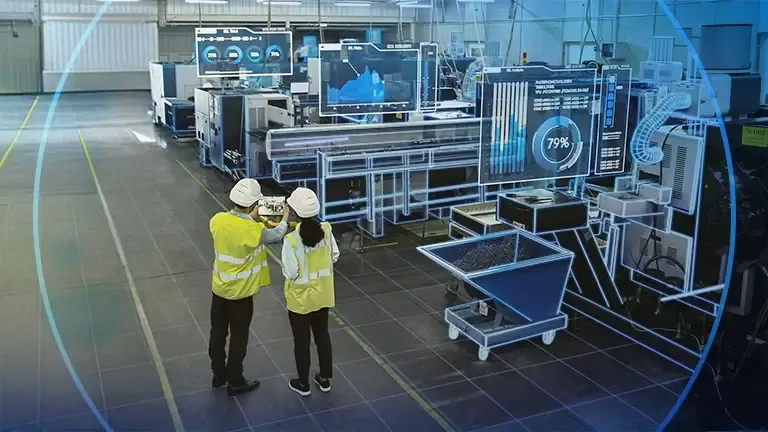
Every machine equipped with sensors generates massive amounts of data — from information on vibrations and temperatures to loads, throughputs and cycle times. But it’s what you do next with this data that defines your competitive edge.
By combining advanced edge computing in manufacturing with industrial IoT solutions, data is collected and analyzed in real time to provide instant insights for informed action. For example, machine equipment health is continuously monitored, allowing anomalies to be detected before they escalate and helping maintain optimal machine performance. These predictive capabilities and proactiveness are key to turning data into a real competitive advantage.
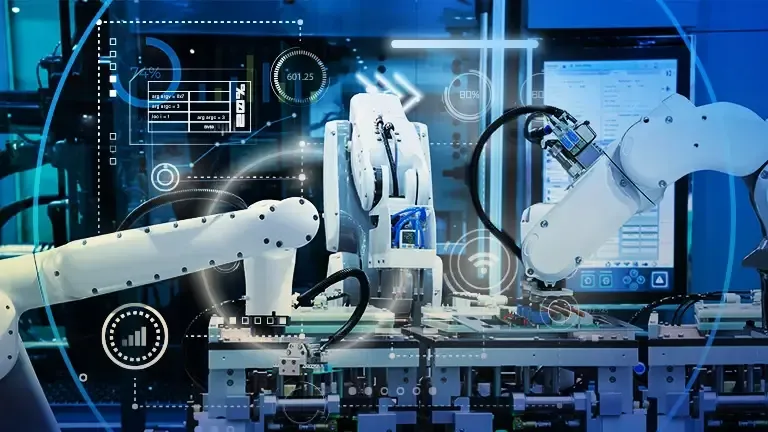
When machines are software-driven, updates can be rolled out remotely. Often, a cloud-based machine control system is used to roll out new algorithms, implement improved control logic and upgrade safety features without physical downtime. This ensures that machines stay at peak performance — minus the costly intervention.
This continuous improvement transforms machines into living systems — one capable of learning over time and growing into adaptive manufacturing systems. Every run drives better efficiency and uptime. Imagine assuring your customer that their machines will perform better next year than today. That’s the power of intelligence built in.
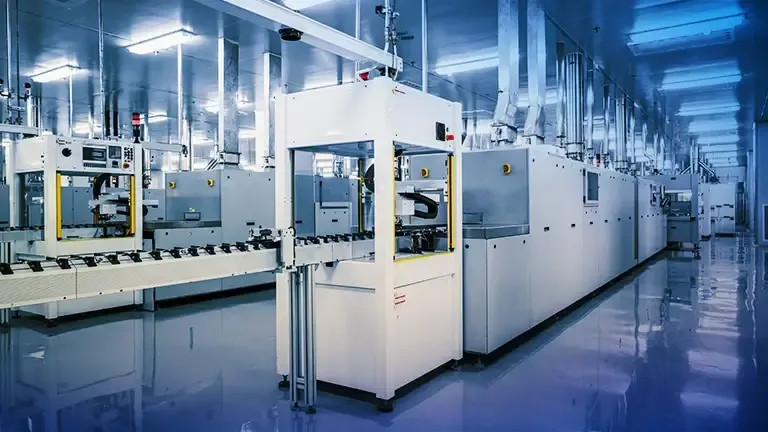
True intelligence goes beyond automation. It’s about autonomy. Software-driven systems can detect, adapt and act autonomously to changing materials, different workloads or environmental conditions. They are even able to collaborate with other machines without human intervention. Some machines also collaborate with humans to enhance performance through human-robot collaboration (cobotics).
This progress in cobots and autonomous intelligence combines autonomy and adaptability, marking the future of adaptive, self-optimizing machines poised for industrial excellence.
The Rise of Connected, Autonomous Equipment
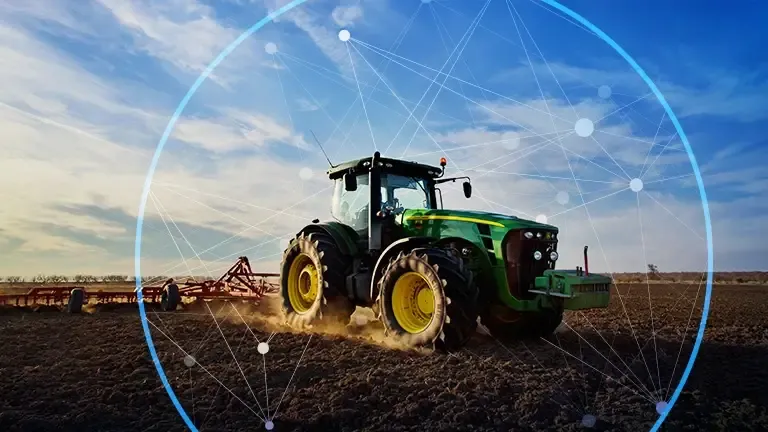
Connectivity is a crucial element for enabling autonomous behavior in machinery. With connected machinery, edge computing in manufacturing and advanced sensors, intelligence is now closer to where work is happening. This proximity reduces latency, increases time-critical control functions and promotes real-time decision-making, enabling autonomous industrial equipment to perform tasks with minimal supervision.
Sensors are the sensory organs of these smart factories. They are integrated into all types of industrial equipment to deliver crucial production data, monitor machine health and contribute to innovation. From tracking vibrations and temperatures to loads and cycle times, sensors provide the raw data needed for real-time analysis and decision-making. This data stream is vital for everything from predictive maintenance to optimizing production line performance.
When machines, systems, data and people are truly linked, operations become agile and fluid. Machines can self-optimize, self-heal, exchange data and respond intelligently to production workloads. This level of responsiveness leads to faster, smarter and higher-quality production, redefining what is possible in smart manufacturing systems.
Unlocking New Value and Business Models
As machines become more intelligent, business models must also evolve. Embedded software in machinery reinvents value creation by unlocking predictive maintenance analysis, remote software updates and AI-driven diagnostics. These features extend machine life and improve reliability, creating a new service-based revenue model.
With AI, machine learning and cloud-based machine control, manufacturers can capture new opportunities beyond the shop floor. These software-defined machines continue to learn, optimize and add value over time. This opens the doors to new business models, such as Equipment-as-a-Service (EaaS), which provides ongoing value and predictive support, generating sustainable profits for tomorrow’s industrial enterprises.
Leveraging the 3DEXPERIENCE® Platform for Software-Driven Innovation
How can manufacturers bring all these capabilities into reality — from design to delivery? Enter the 3DEXPERIENCE platform.
Model-Based Systems Engineering
Unify mechanical, electrical and software systems to enable cross-disciplinary work on a single source of truth, detecting issues early, iterating faster and reducing risks.
Virtual Twin Testing Before Deployment
Test machine behaviors virtually to identify flaws, optimize control logic and adapt design before build. With virtual twins, production lines stay flexible, error-free and ready to ramp up faster.

Cloud-Based Collaboration Across Disciplines
Real-time collaboration across teams, suppliers and operations eliminates communication inefficiencies. This is essential for creating complex smart machines across multiple domains and geographies.
Virtual Commission for Faster Time-to-Market
Validate machine control software, actuators and logics before going on-site. Save on lengthy on-site debug time and costly downtime with virtual commissioning.
Improved Service Management
Monitor machine health remotely, predict maintenance needs and optimize parts logistics and service contracts. Digital continuity enables machine data to be used for real-time decision-making.
Greater Flexibility and Client Customization
Modify modules, upgrade features and adapt to new uses with platform-driven architecture. Customize offerings, subscription models and value services instead of using a one-size-fits-all approach.

Cost Reduction Through Optimization
Optimize every product lifecycle stage to offer cost savings. Minimize rework, prototype demands and maintenance downtime through leaner operations and a continuous, connected cycle of intelligence.
Automation-Ready for Growth
Software-defined workloads are simulated virtually, tested via a hyperconverged architecture and run virtually to identify potential risks, helping businesses to scale and grow as production expands.
Ready to Unlock What’s Next?
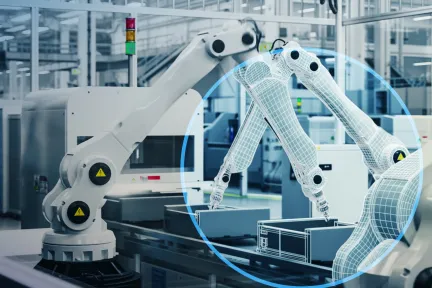
Unlock machine intelligence with real-time data. See how manufacturing leaders turn connected machinery and teams into a competitive edge.
Can manufacturers simplify complexity and redefine what’s possible in the industrial equipment industry with smart machines? With Dassault Systèmes, they can.
The 3DEXPERIENCE platform can contribute to our environmental, social and governance targets by making our design and industrial processes even more efficient by reducing material waste in production, improving remote collaboration to lessen the need for travel, and supporting us to develop smart, sustainable products.

We are driven by innovation and thanks to the 3DEXPERIENCE platform, we can continue to support our people to push the boundaries of science.